In the beginning of the 1960's, the movement for racial justice began to pick up steam throughout a young and growing United States of America. The south in particular heard the voices of those it had oppressed for so many year, as a march in Birmingham, Alabama historically took place. As thousands of African Americans took the stage to make their voices known, all kinds of reaction ensued from national community.
In the spring of 1963, a march through one of the most racist towns in the United States made history. Police began to use violence in oppose to this march as they believed it was disrupting the peace. They released dogs, strong hoses, and violently attacked innocent people with their batons and fist. To the benefit of the marchers, everything that they had done had been televised. This caused people worldwide to realize and understand the violence that had been going on, pushing the fight for segregation to even higher heights.
One crucial event that took place in Birmingham was the arrest of Dr. Martin Luther King. Along with several other African Americans, his arrest inspired hundreds to push for justice and inspired future fights for equality in the nation. This event would begin to snowball into another crucial march that would push for the same purpose. However the setting of this demonstration would be far more impactful and powerful, as the civil rights movement would send hundreds of thousands to march on Washington D.C.
On August 28, 1963, history was made in the U.S capital. A quarter of a million U.S citizens flooded the streets in support of the civil rights movement, making history and expressing a message worldwide. Martin Luther King delivered his famous "I Have A Dream Speech" in front of the nation, and celebrities far and wide stepped in to show support for a cause that would forever change America.
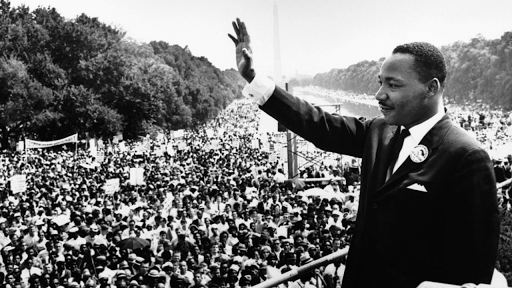
The results of this peaceful protest march reaped nothing but positive effects. This event was the accumulation of decades of protest and frustration from an oppressed community, pushing laws of reform and equality for the sake of the American dream. John F. Kennedy played a massive role in the progress of this movement, as he constantly met with leaders of the movement for racial justice.
The big six leaders of the civil rights movement included Philip Randolph, James Farmer, Roy Wilkins, John Lewis, Martin Luther King Jr., and Whitney Young. Only half of these men had the privilege of discussing issues with the President, who was eager to meet with the catalyst of this march. J.F.K mentioned how grateful he was to meet with them, and how they all believed they could make grand changes regarding race and democracy under his administration.
Difficult as it was, racial progress was achieved through this movement. It did not deter every hate group and eliminate all issues, however it made segregation among other things illegal. This historic era was pivotal in the growth of America as a nation, bringing black Americans their long needed legal respect in a nation that was built upon their labor.


No comments:
Post a Comment