The mock trial debates surrounding a runaway slave case brought many viewpoints and attitudes. The arguments between responsibility, morality, and history taught me many things that I would not have known had it not been for the information being directly presented in front of me. The information and topics that I considered most interesting and important will be highlighted in this post.
The first defense in the case that was presented that the price of the meeting was far too cheap. A ten dollar fine would not have much significance in any slave owners life, and to fight a case for an amount this small was absurd. On top of that it was the slave owner who inflicted harm on the slave in the first place, therefore what would mean that there is a clear agreement that the owner was the deliberate aggressor in this scenario. In other words, the owner valued his ten dollars higher than his slaves life.
Although my first thoughts were that there was no way that this action could be prolonged, there were some arguments that convinced me otherwise. One of them was the fact that because the slave had not been killed or seriously incapacitated, the whole case was virtually useless. In a way this perspective is true in the sense of life value, due to the life being endangered but not taken, it is important to consider whether the discussion will achieve anything due to no one being dead.
Further perspectives that seemed to bring a new light of opinion was the matter of the injured woman being a slave. Of course a slave had no human rights and wasn't even considered such. Therefore if a man were to hypothetically destroy or harm his window, it would be the same as harming a slave. So in a way, the slave being wounded by a master who considers them as property is no an illegal or important matter.
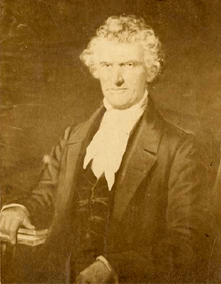
Switching sides to the debate in favor for the slave, there were plenty of points that had a moral and emotional impact. Those who argued in favor of the slave claimed that ethically and morally no human should get away with harming another human, especially when the aggressor had full intent and awareness of the action they are performing. For the honor of the slave who only thought about her wellbeing in safety, the entire case is a disgrace.
Obviously from the previous viewpoint and from the post thus far, we can see that Mann could be justifiably charged with assault had the slave been a regular American citizen. The fine line that is drawn in this case and really the arguments that are being made are either for or against the rights of a slave. The fact of the matter in this case was indeed however that a master is absolute, and has the right to render submission over his slave.


No comments:
Post a Comment